Monatsbericht Oktober von Corinna

Arrival, first impressions, orientation, rules and daily life

Due to the fact that Asian countries and especially the Philippines are different to our home country Germany, we had to get along with cultural differences on the one hand and distinction of our surroundings on the other hand. Two of the main topics for us are the climate and the food.
When it comes to the climate you could say that you need a very long time to get used to that, so that we do not feel completely comfortable yet. In our first days even walking or just sitting around were so exhausting that we had to rest almost the whole day although the temperatures now are quite ,,cold’’ in comparison with the rest of the year. Step by step we adjust to the climate so that we are able to work outside without bigger problems. Though we are sweating a lot more than in Germany wherefore we have to take a shower directly after finishing with work and change our clothes more often.
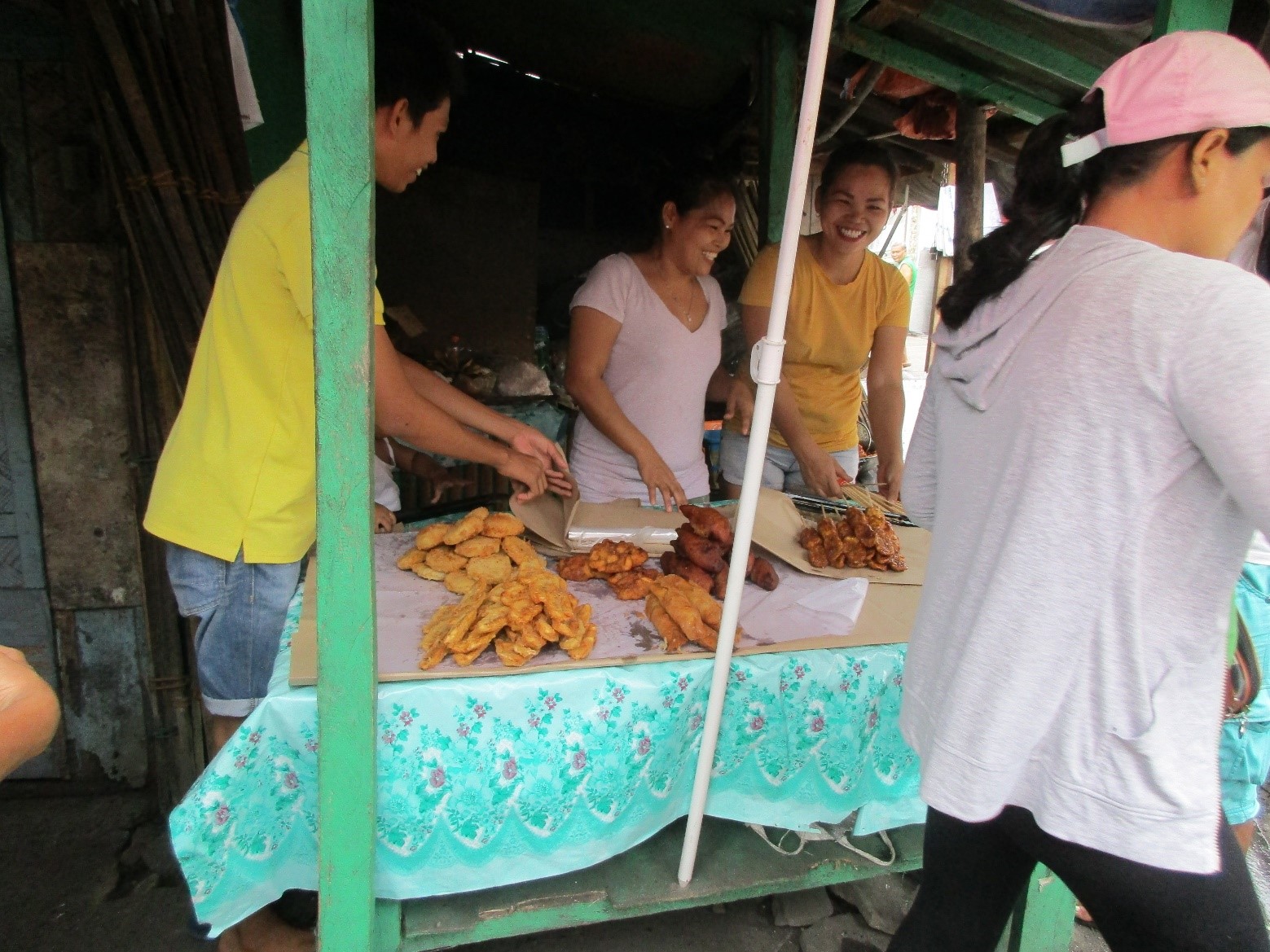
Our first experiences with food were almost entirely positive, so that we established together with Irene, a 25-years old Disaster Recovery Management student from the Netherlands, a list of food we want to try including things like Taho, Kwek Kwek or Balut at one of our first days here. During the first week, we already tried things like Kwek Kwek, Lobsterballs, Squidballs or Taho but also Adobo, squid with tentacles, the One-Day-Old, Halo Halo and other traditional or popular meals. Thereby we experienced that almost everything in the Philippines tastes sweet, even for example spaghetti and other food which is normally spicy in Europe. Of course there were dishes that we did not like at all, but that was rather the exception.
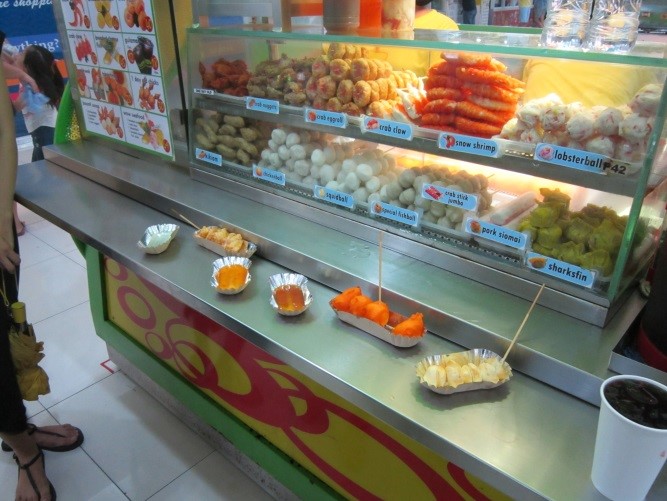
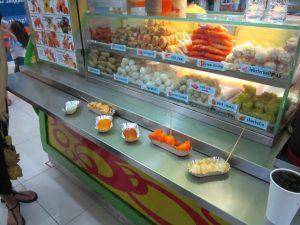
In the Riverbanks Mall, tasting some Philippine snacks

What directly comes to my mind when I think about the mindset of Philippine people is their obliging, helpful and especially happy attitude even if their life is not easy in some cases. The people we met are always anxious to help us in every situation and with every problem that arose up during our first weeks. For instance, Ricky and Julia, who are students at Ateneo, accompanied us to the University and answered all our questions. Afterward Julia also advised us in joining sport opportunities and also had dinner with us in the evenings. Moreover Michelle showed us the campus on our first day and the members of the office of sustainability always kept an eye on us and tried to help us as much as they could. Our supervisor Jaime was always exerted to help us in every concern that appeared during our first weeks. Not to enumerate all the people who helped us to settle in the new surroundings.
What really got to us was the jetlag we had for a few days. It was quite exhausting to adjust to the climate and  the time difference at once. In our first night after around 30 hours without sleep we just slept for four hours and were awake the whole night. In our second night the procedure was almost the same, so that we were really tired during the day. Therefore it took us around seven days to sleep the whole night.

In our first week at the Ateneo de Manila University we got instructed by representatives of the Ateneo offices like the ACED (Ateneo Center for Educational Development), Pathways To Better Education, Gawad Kalinga and AIS (Ateneo Institute of Sustainability), which are important for our volunteer work.
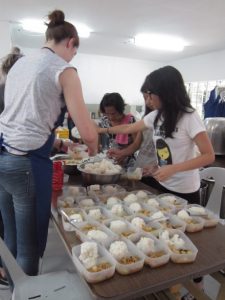
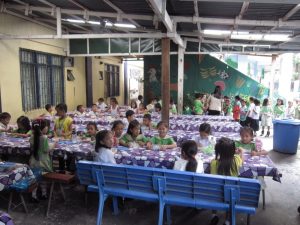
As we got to know, contents of our daily work in our first months in the feeding program of the ACED will be kitchen and feeding operations as well as data collection, visiting kindergarten classes and, at the beginning of the next year, Brigada Eskwela. However, one of the main topics of the feeding program is the reduction of malnutrition, stunting and wasting among children in poor areas of Manila. So far we visited the Bagong Silangan Elementary School and the Elementary School in Cainta, where we supported the parent volunteers and the ACED kitchen staff in preparing and packing the food and also handing the meal to the children and cleaning afterwards.
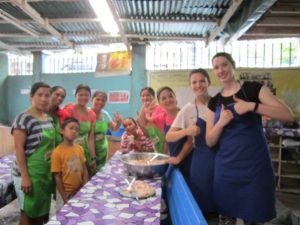
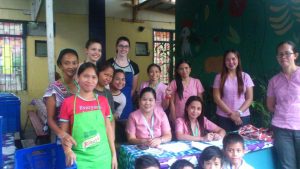
In Bagong Silangang with the parent volunteers
In Bagong Silangang with the parent
volunteers
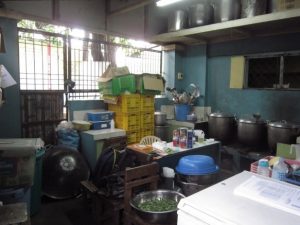
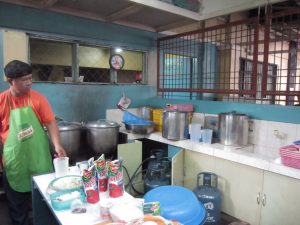
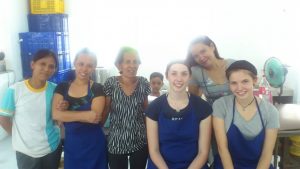
The kitchen in Bagong Silangan
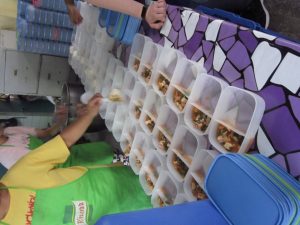
Packing the boxes in Cainta

20161102-corinna-5

Included in our first instructions was a presentation by Abby Favis about disaster management in the philippines. She points out that many people in endangered areas are not aware of the safety measures and do not have a foresight on possible future disasters. To improve the situation people in power have to separate the three factors hazard, exposure and vulnerability to minimize the risk for humans and their possessions.
Additionally the Office of Pathways to Better Education tries to balance the lack of confidence, financial problems and lack of academic preparation of students in public schools, where the learning conditions are often not acceptable to educate appropriate. Maybe we will have the chance to join some of their weekend activities during our stay.
In our fourth week we worked in the Ateneo Institute of Sustainability, where we made campus microclimate profiling. To create a map, we had two routes on campus, one which includes traffic and open fields and one in a forest on campus. On these routes we had several stops – every two hours at the same time at the same place – where we measured indicators like current wind speed, air temperature, relative humidity, barometric pressure and heat stress index. On the basis of this results, Abby constructed charts of their development during the day.
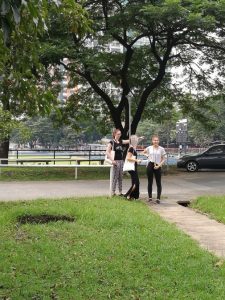
On the campus while gathering data for the microclimate profile
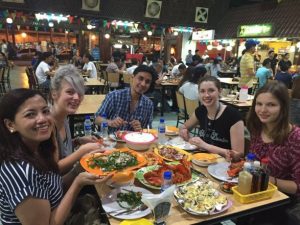
With Gladys, Irene and James from the Manila Observatory in Cubao

Based on cultural differences, there are different rules and norms to obey. For example is the patriotism way more distinct than in Germany, so that you have to stop and just wait when the national hymn is played in the mornings. Of course there are other behaviors you have to follow, just as avoiding conflicts whenever you can and using a mediator instead of facing the other person, or respect the very religious attitude of the inhabitants. Moreover some gestures are rather typical for the Philippines, for instance the mano to show your respect for authorities like priests or older people.
In general we really enjoyed our first weeks in the capital of the Philippines. So far we received so many impressions by living here, trying to experience the culture, talking to people and working in these new surroundings that we are looking forward to explore the multifaceted country not only in a tourist way but also through the view of locals.
Monatsbericht Oktober von Laura

Arrival, first impressions, orientation of daily things

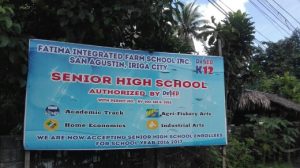
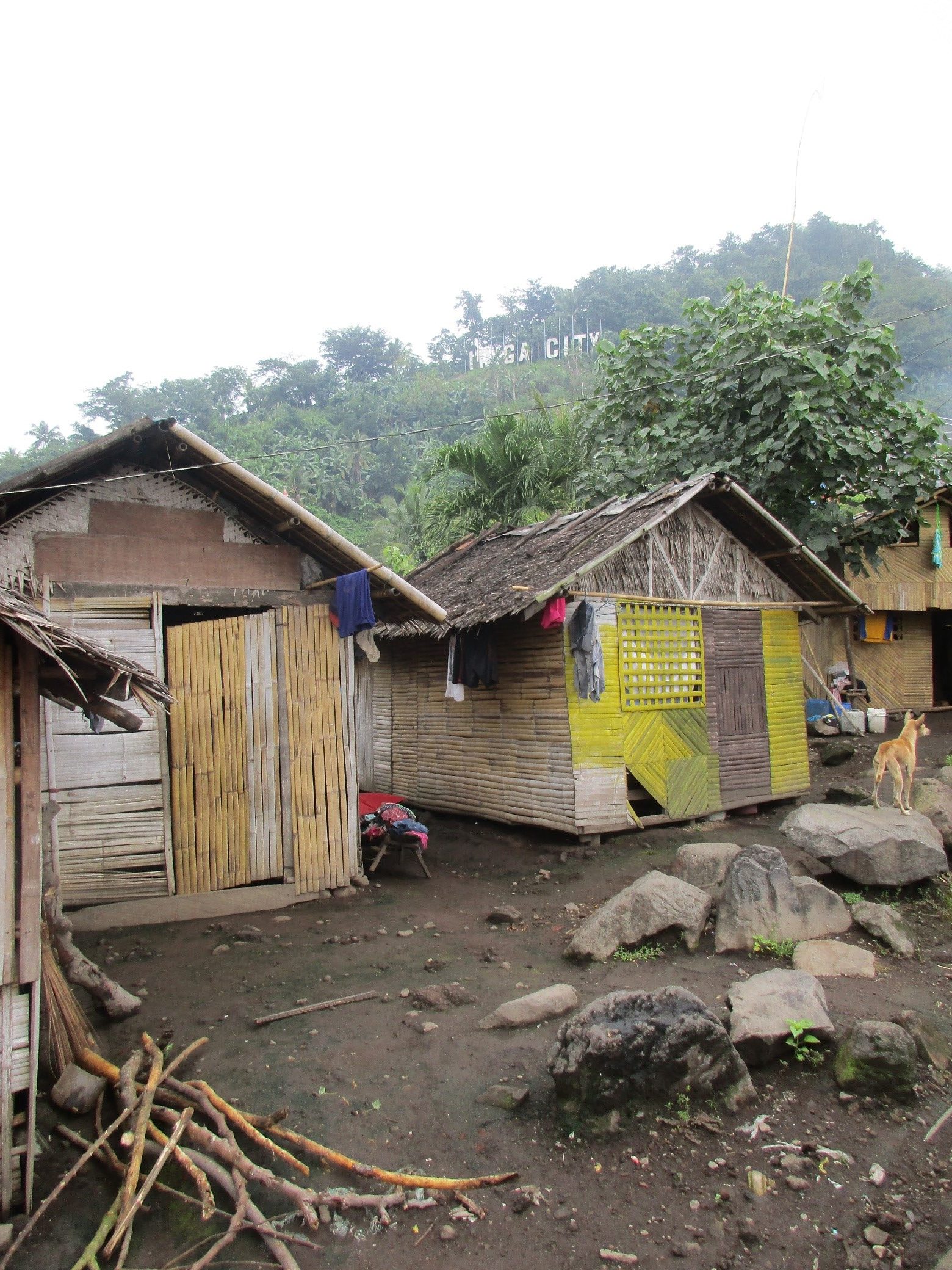
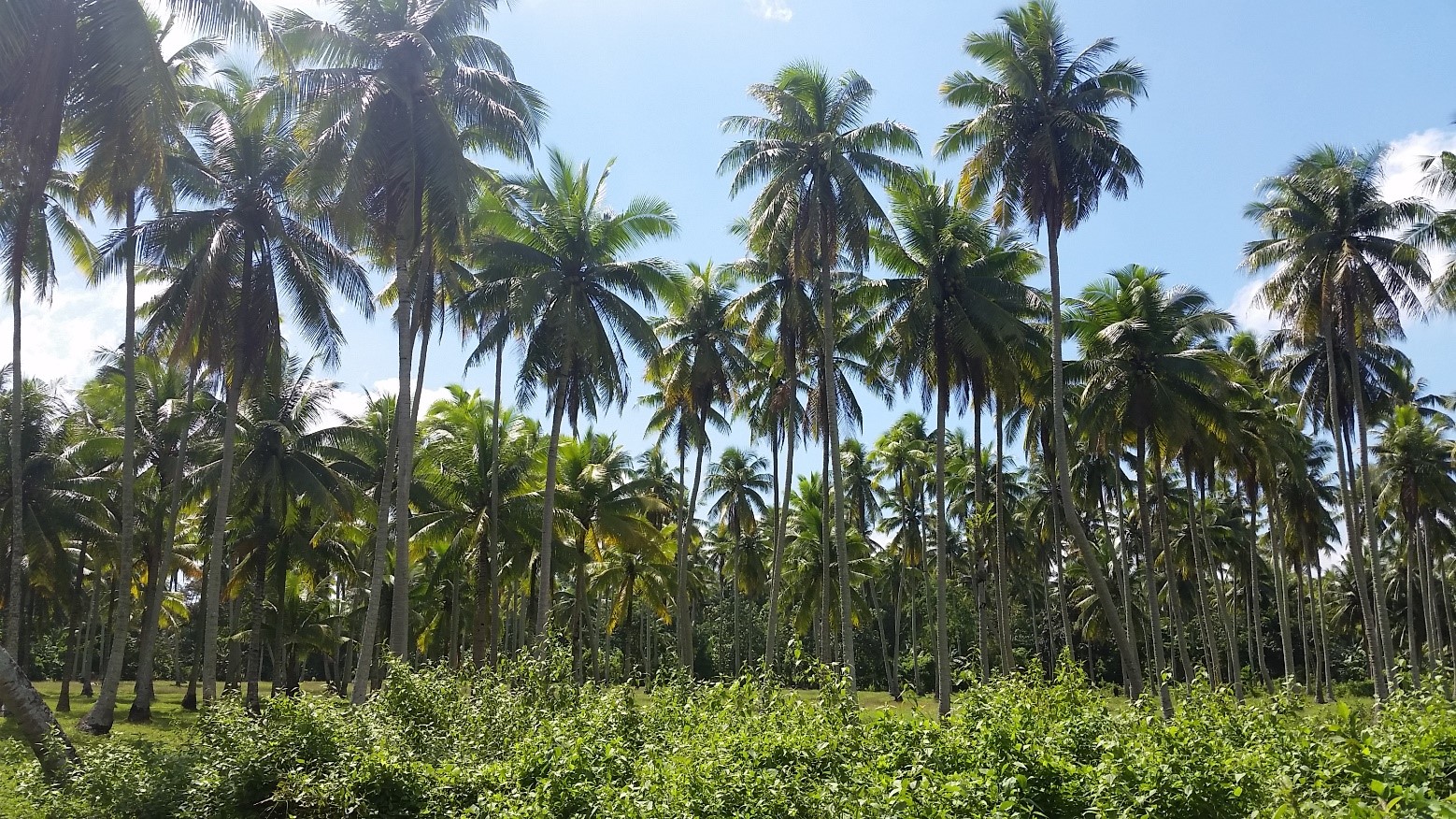
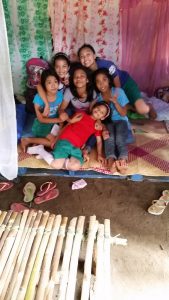
After a long journey we arrived here at the Fatima Centre on October the first. The Fatima Centre is a foundation for human development and integrates a  farm school. Here we stay only in October. After that we go to Naga and work there in a school too. When we arrived at the Fatima everybody wanted to help us. The children showed us our rooms and brought our luggage there.  Everybody was very helpful and cordial. After a little rest we asked them to show us the area of the Fatima Centre. My impression was that they were happy with this. So we go around with approximately ten children and see the different places like the school and the farm. We see lots of plants which we haven’t in Germany like bananas or pomelos. The children wanted to share a pomelo with us. It was just a small one but everybody gets a little piece of it. In the following weeks I see the same again and again. It doesn’t matter how small a fruit or something else is, the things are shared with the others. In my opinion in Germany everybody wants the biggest piece and don’t care about the others. So my impression is that the people here are not that selfish like in Germany.
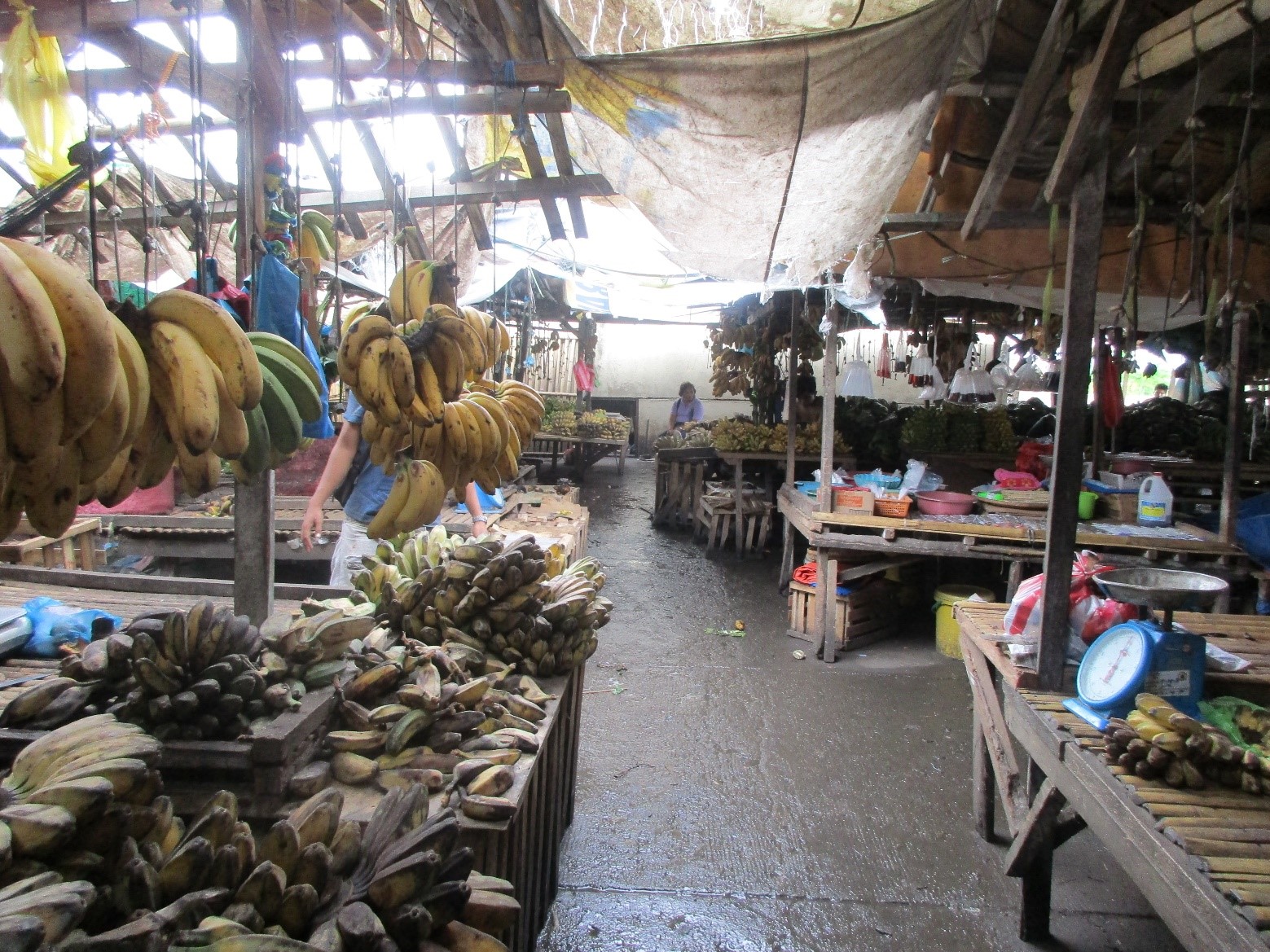
Another different point to Germany is the food here in the Philippines. The people eat to every meal rice normally with cooked meat. Mostly after the meal we eat here different fruits. The fruits are very delicious. For example the bananas. They are very sweet here and I haven’t known that so many different kinds of bananas exist. And also I haven’t known that you can cook with them. My impression is everywhere we put in potatoes the Philippinos use bananas. I think it is a very special taste. At breakfast here they often eat scrambled eggs, smoked fish, roast sausage and fish. I mean it is very solid. When we have here in the Philippines some bread, it is toast bread only. This is very sweet. Also cake is sweeter than in Germany. In this point you can see the influence of the American colonial times.

In kitchen are often ants. All the food is in receptacles. No insects can touch the food but for me it isn’t normal that insects are in the kitchen.

Here in the Philippines they pay with Philippino pesso. One Euro is nearly 50 pesso. The first days when we make little trips I always had not enough money by me side because it was hard to think 50 or 100 isn’t a lot of money. In Germany I would never take 100€ when I go to the supermarket only because I need toilet paper and a cleaning agent for the bathroom. But with the time I get used to the other currency. The most things here are cheaper than in Germany for example food, clothes or eating in a fast food restaurant. We bought some cocoa powder (Milo) for the Fatima Centre. This is one thing which is expensive (one kilo cost around 5€) because they have no or only less (very expensive) cow’s milk  here in the Philippines. If the people want to drink milk they normally use milk powder.

The climate here in the Philippines is different. There it has around 25°C and a high humidity of the air. The first days I was sweating the whole time. I think now after one month I’m dealing a bit better with this but I’m still sweating more than in Germany. It rains nearly every day because till November here is the rain period. The rain doesn’t cold the earth that much as in Germany. Sometimes the plenty rain results in power failure.

For washing our clothes the rain is a problem. We can’t hang up them outside and inside there isn’t that much space and because of the high humidity the clothes are not that dry as we are used from Germany but this is OK.

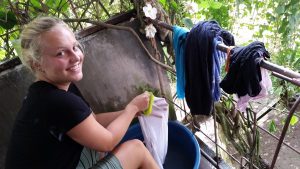
Washing is in general different then in Germany because we have no washing machine. We have to do it by our hands. The children show us how to do it right and which soap is the best. It takes a long time to clean your clothes by hand because first of all you have to clean all with clean water, after that you have to soap und brush every piece extra and at last all pieces again with water. In the end you have to spin the laundry like in a washing machine. The machine does all the same steps and also needs around two hours but I haven’t recognised it because in the mid time you do something else. And another different is that the washing machine in Germany uses warm water and here we normally wash with cold water.

Taking a shower here is different too. You have bucket with cold water then you use a creator take water and put it all over your skin. After a few days it was normal for me taking a shower in this way. To use cold water isn’t a problem because it is always warm outside and in the morning I’m awake after the shower.

We had the luck that we have a toilet with flash. It is typical that the toilet has no flash. In this case you put water im the toilet instead. Philippinos don’t use toilet paper. They clean with water. Luckily you can buy toilet paper so we use it.  Sometimes there is no toilet only a whole in the ground. This I seen one time when we stayed at a resort.

Everywhere we go the people look at us. The most time I can ignore it but sometimes it is a bit annoying because in my opinion we are all people. The only different is our skin colour. Some people ask where we are from and what we are doing here in the Philippines. I like this way of acting because German people normally won’t do it and we recognise the staring anyway.

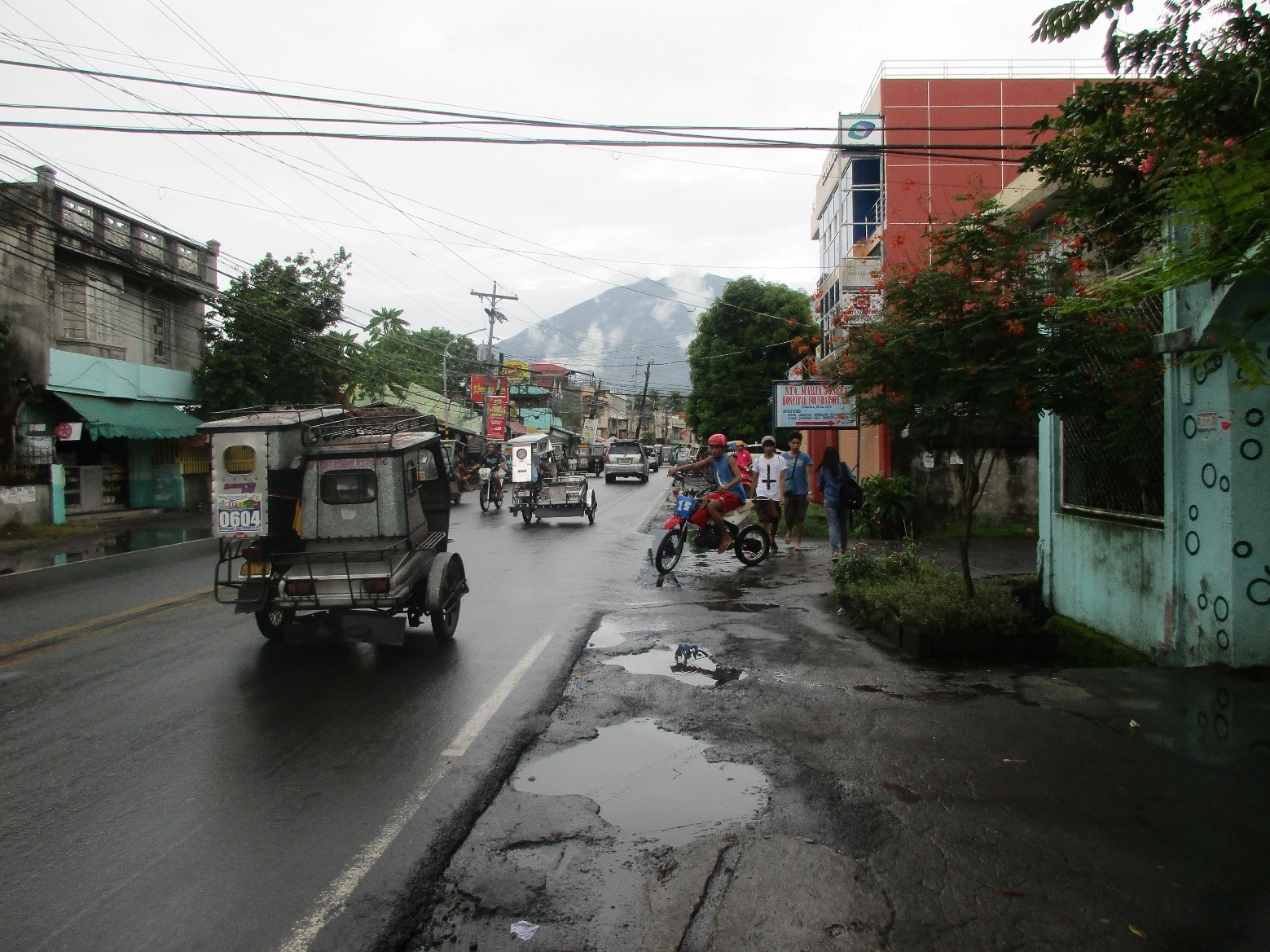
The traffic here in the Philippines is slower than in Germany. Most of the people drive with Tricycles. A Tricycle is a motorcycle with assessor. My impression is that here no traffic rules or most of the people ignore the rules. For example only a few people stop at a zebra crossing. In Germany nearly everybody would do it.

We had a special experience when we wanted to buy a normal shower gel. It wasn’t easy to find one. The most shower gels are whitening ones. In Germany everybody wants to get a browner skin and here it is the other way round.

The first month passed off really fast and I enjoyed it.

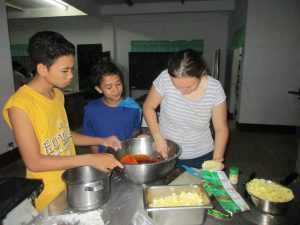
Preparation for pizza
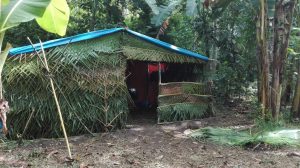
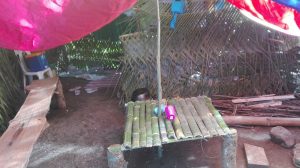
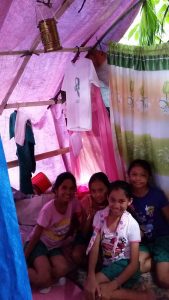
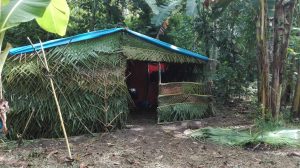
Selfmade tent
Selfmade tent
Information of the Fatima Center
Physical education outfit
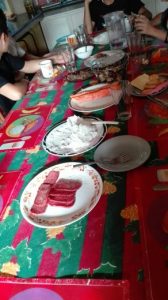
Breakfast
Breakfast
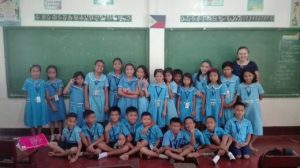
Grade 4
Grade 4
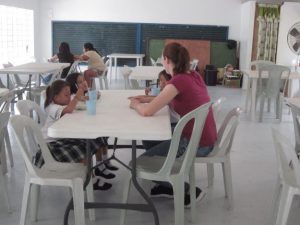
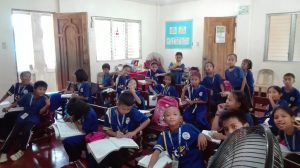
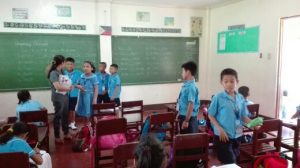
During a lesson
During a lesson

Monatsbericht Oktober von Paulina

By doing my trip to the Philippines I am able to experience the people and their daily life, their culture, their behaviour and their religion.

Upon my arrival I noticed that the way I get treated by strangers is very different than in Germany. One reason for that may be my look: my blonde hair, my height and my white skin. When I am walking through the streets everybody is staring at me. I was asking myself what is separating me from them? It might be my wealth. The average BIP per person here is under 3000. And most people are even more poor, since there is a large inequality of wealth in the Philippines. You can see this in the streets.

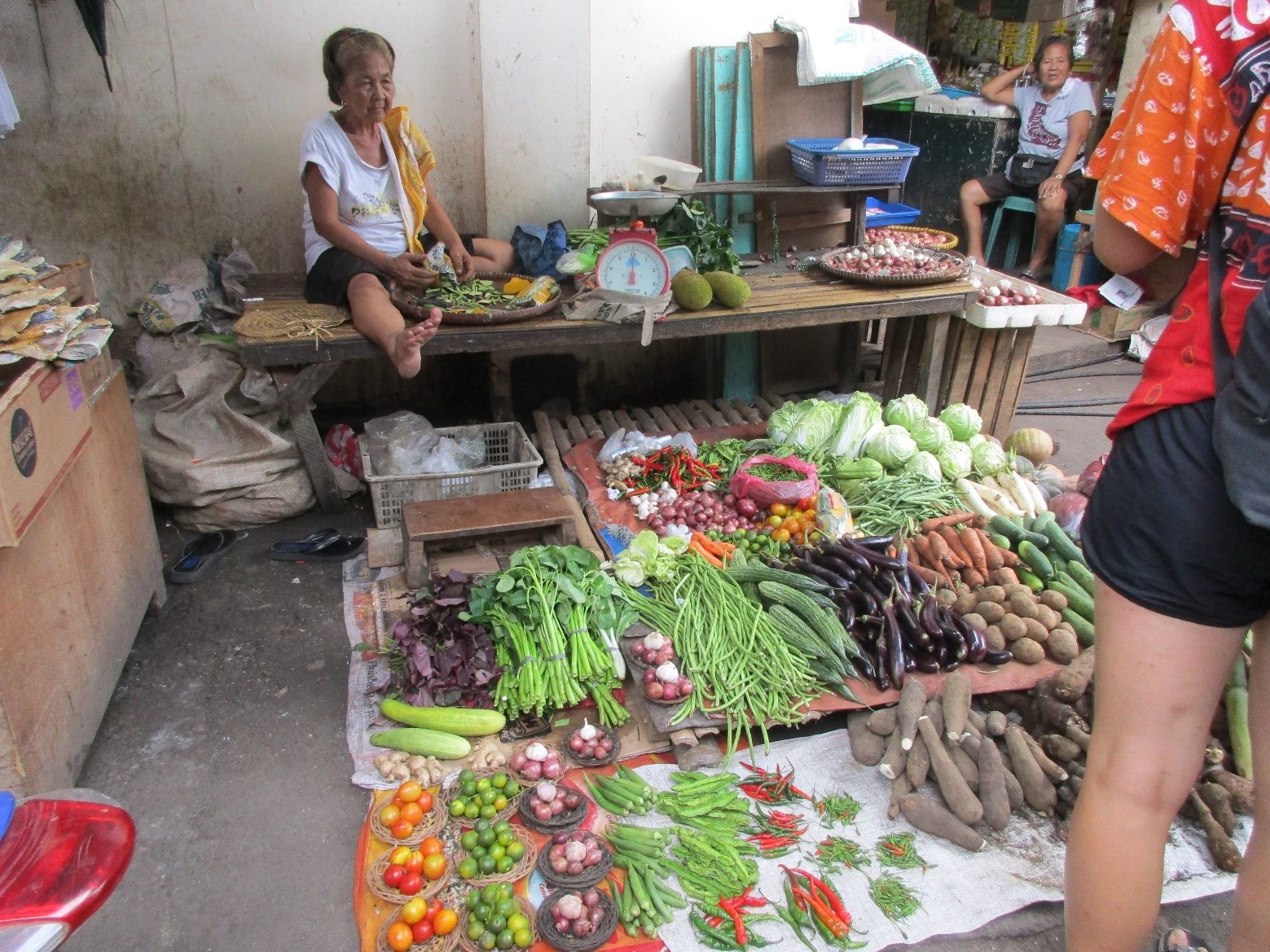
For Example, there are many fast food restaurants here but many can’t afford the prices even if it is still cheaper than in Germany. One meal there cost around 200 pesos (is equal to 4 euro). But when you walk to the next corner, you can find the eateries where you can buy a full meal for about 30 pesos.

There is also a big difference in the homes here, most of the people live in very simple little houses while others live in big houses or villas side by side.

20161102-paulina-1

Another point that is showing the inequality of wealth is the way of transport. You can see a few cars in the streets, but the majority of the population cannot afford it. So most of them take a so called tricycle where one ride costs only 10 pesos per person.

20161102-paulina-2 20161102-paulina-3

As you can see there are lots of reasons why I am so different here and even after four weeks I feel of course very welcomed but strange. But in the end, if you think about it, we are all just humans, no matter how we look like, how much money we have or what we believe in.

You can also discover a big contrast in food from the beginning. The essential ingredient here is definitely rice. Rice is a side dish for every meal, no matter if it is breakfast, lunch or even dinner. The Filipinos prefer rice over every other side dish like noodles or potatoes. Even fast food restaurants serve rice instead of fries. You eat it here in combination with fish and meat and a lot of things are fried here. So you can say that the food here is unhealthier than in Germany, they do not eat salad and they do not even have any salted bread. The bread in the bakeries is normally sweet as everything here.

20161102-paulina-4 20161102-paulina-5 20161102-paulina-6

Of course also the climate is very different. It is not just hot here but also is the air very wet. This causes a feeling as if you are in a sauna and you have to sweat all the time. Because of that most of the people are moving and working very slowly. So the climate is the reason why things take longer and people are not that productive. This may also be the reason why Filipinos are normally arriving later. You have to add half an hour or more to the time you have told them till they arrive, this is called the “Filipino time”.

20161102-paulina-7

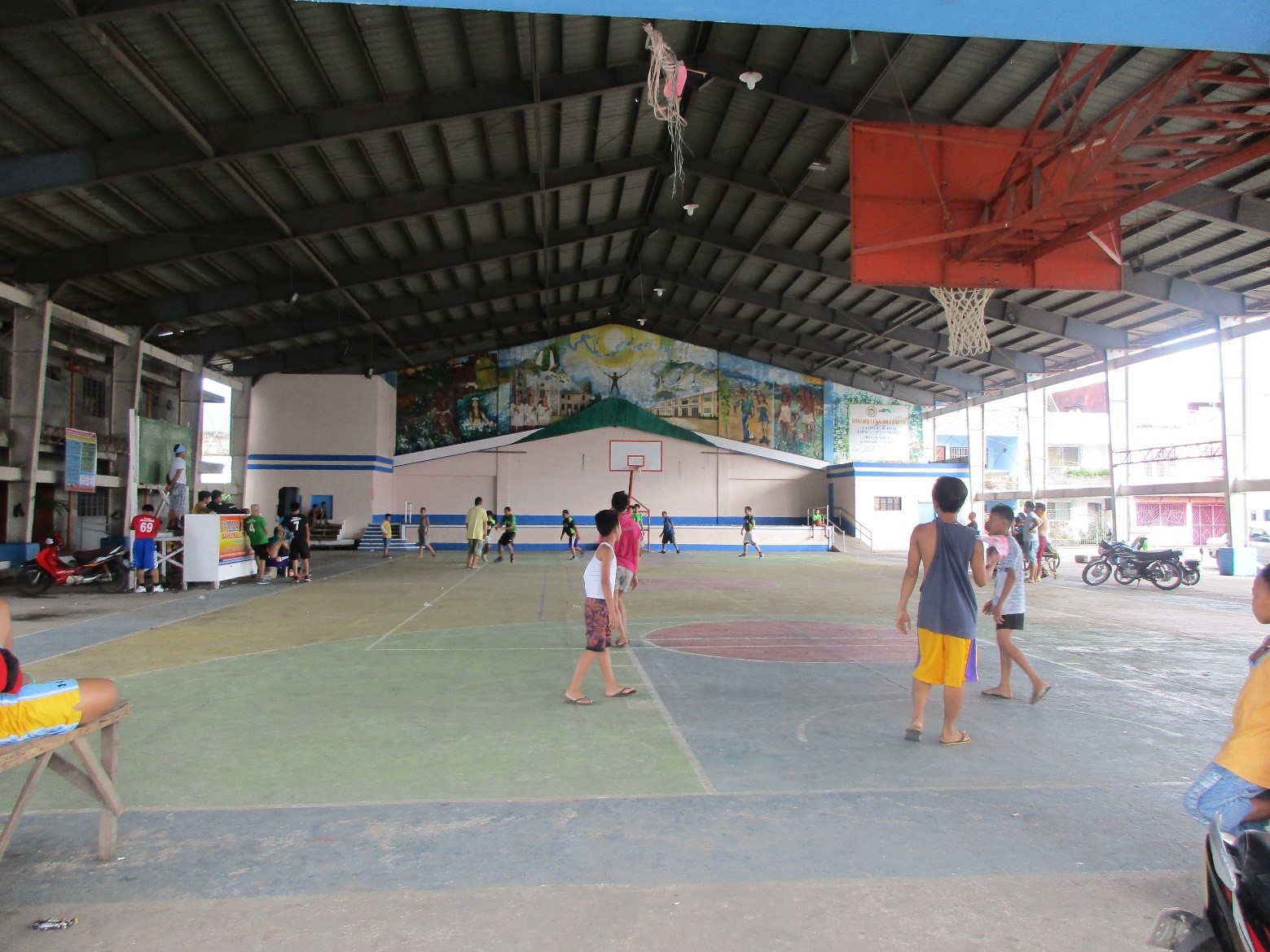
Even if the weather is incredible hot, the Filipinos are very sporty. Because of the American influence in the past they play a lot of basketball here. Sports like handball or soccer are not common here. But imagine that: Basketball is that kind of sport you need very tall people for. But the Filipino population is very small, so their play style is completely different.

20161102-paulina-8

The people here sometimes have nothing more but the necessary things they need. But they are just grateful for what they have, for their family and friends, for a roof over their head and something to eat. They are happy and enjoy their life as much as possible. That is what impressed me the most and is also a lesson I learned here in this short time: Do not take things for granted and no matter how hard life can get, just go to bed and be grateful for all the things you have.

20161102-paulina-9 20161102-paulina-10 20161102-paulina-11

Umzug nach Naga

Von Laura und Paulina

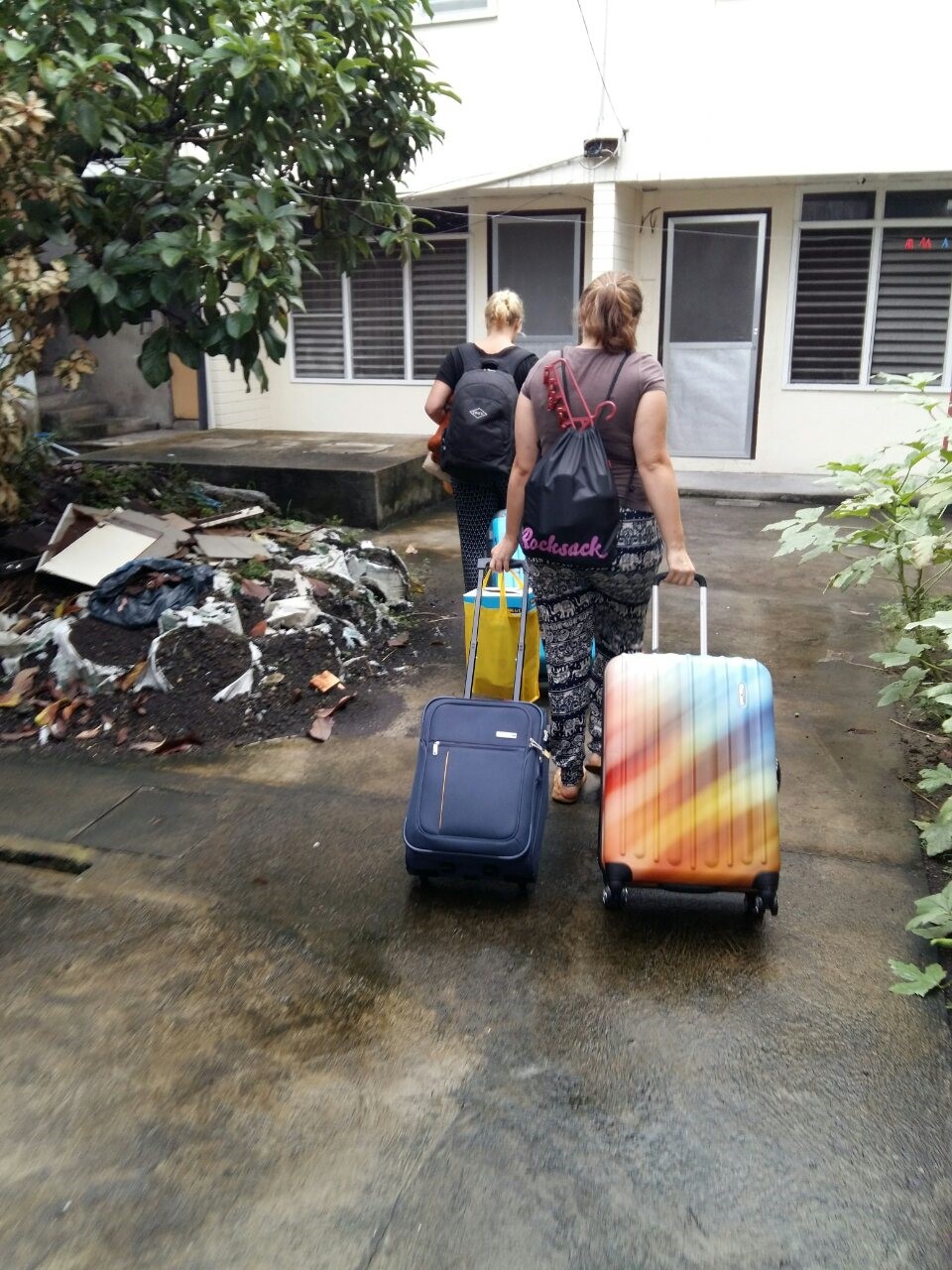
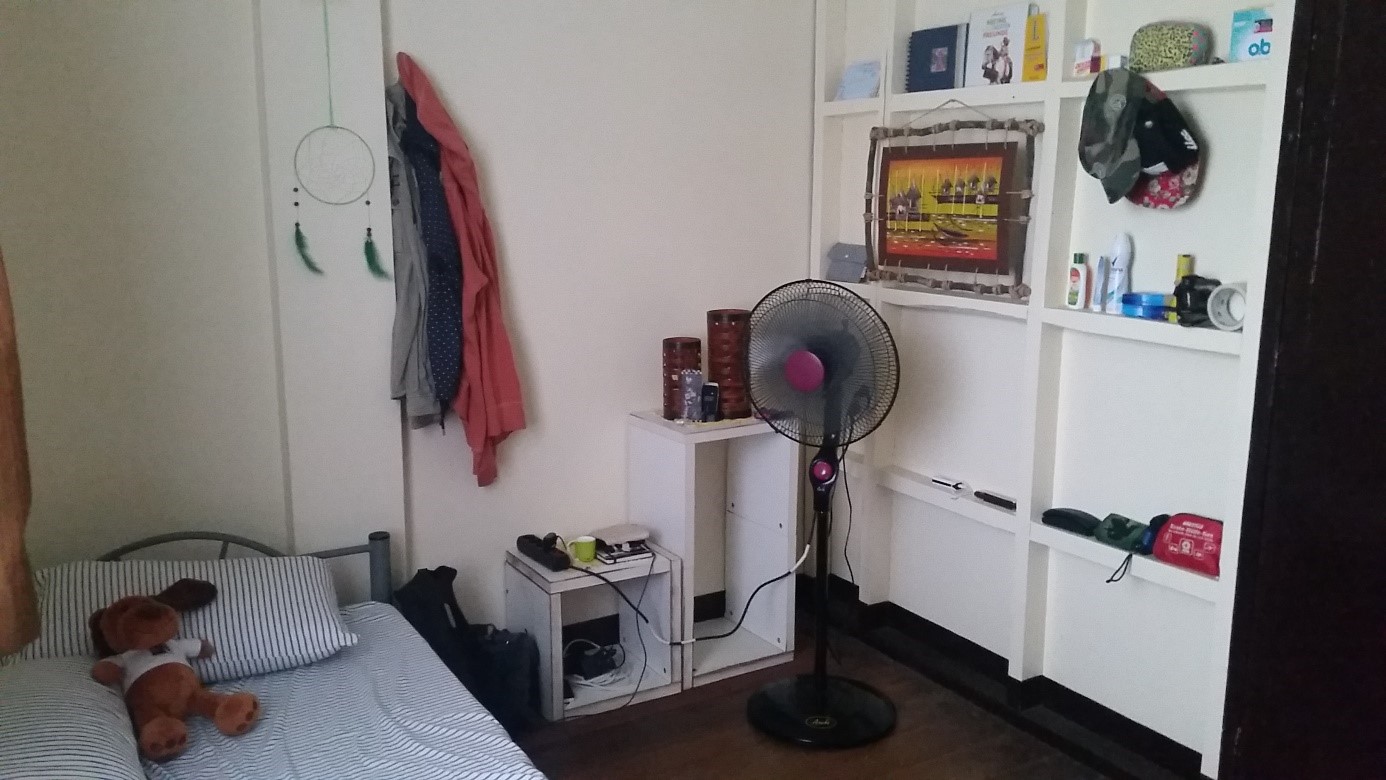
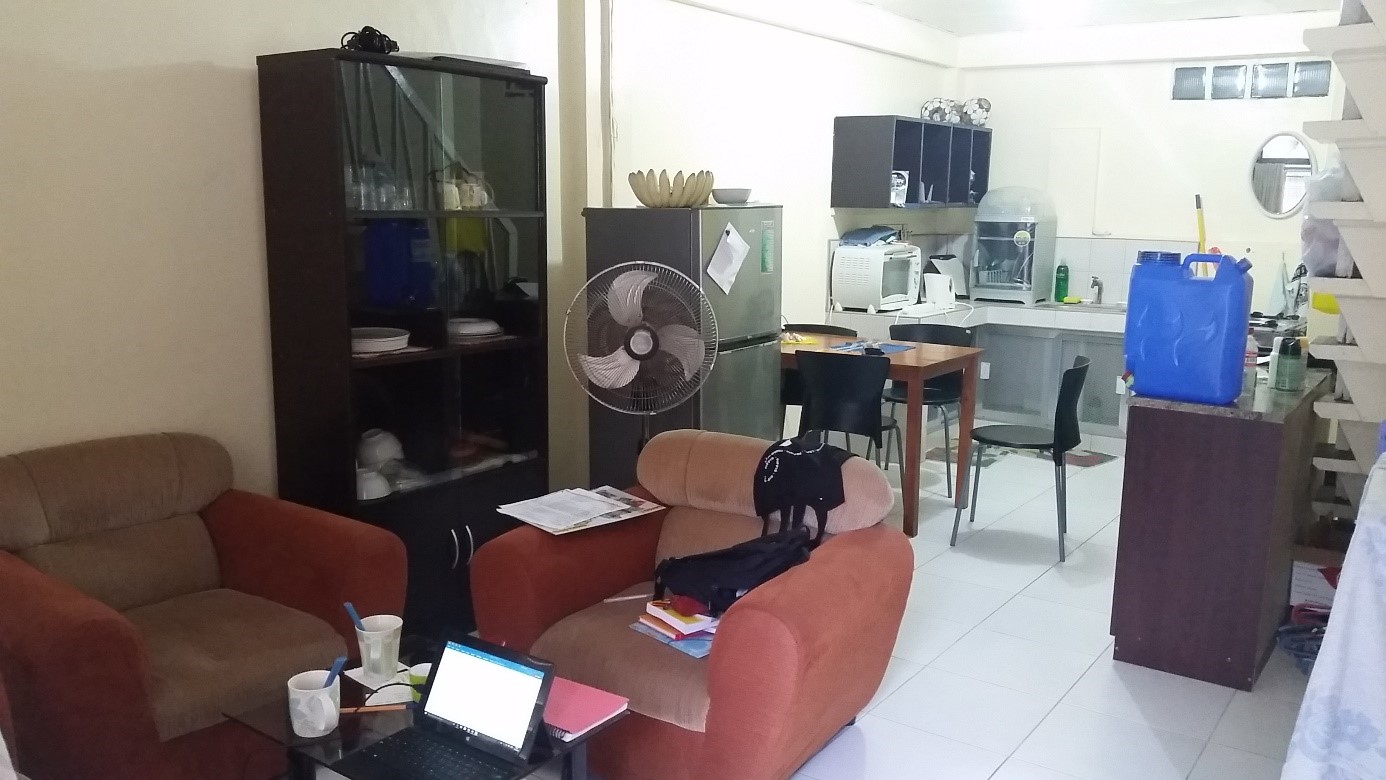
Schweren Herzens aber auch voller Vorfreude haben wir schließlich das Fatima Center und somit auch Iriga verlassen und kamen dann in unserem neuen Zuhause an. Das nächste halbe Jahr werden wir in Naga City in unserem eigenen Apartment wohnen!

20161101-1

Hier dürfen, oder müssen wir wohl oder übel, selbst kochen, putzen und waschen. Als Entschädigung dafür haben wir aber beide ein komfortables, eigenes Zimmer und außerdem Küche und Wohnzimmer!

20161101-2

20161101-3

Abschied vom Fatima Center

Von Paulina und Laura

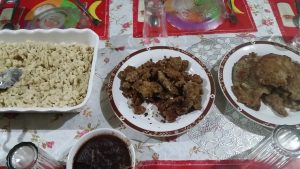
Die Zeit vergeht hier wie im Flug und unser erster Monat ist schon vorbei. Das heißt wiederum, dass wir das Fatima Center verlassen müssen um nach Naga City umzuziehen. Natürlich passiert dies nicht ohne großen Abschied und passend dazu einem Festmahl deutscher Art: Schnitzel mit Spätzla!

20161028-5

Anfangs wurde noch zögerlich der Reis den Spätzla vorgezogen, doch nach und nach wurde dann doch probiert und es hat geschmeckt!

20161028-7

Auf der Baustelle

Von Paulina und Laura

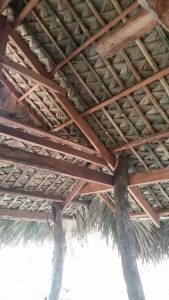
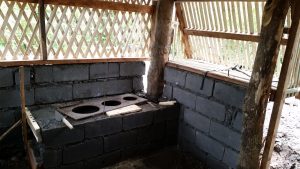
Der Zelt Bau diese Woche war nur der Anfang und wir haben direkt weiter gemacht ein richtiges Haus zu bauen. In einem kleinen Ort namens San Andres soll eine Farm entstehen und die Arbeiter dort brauchen natürlich auch eine Unterkunft. Die Sache lief hier um einiges professioneller ab was man auch an den Konstruktionen sehen kann!

20161028-1

20161028-2

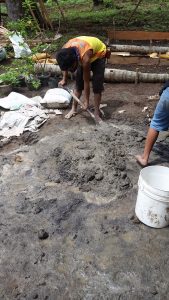
Als kurze Anmerkung: Hierbei wurden keinerlei Maschinen benutzt! Also auch nicht beim Zement mischen für den Boden des Hauses. Man kippt einfach alles auf den Boden und schaufelt so lang bis man nicht mehr kann.

20161028-3

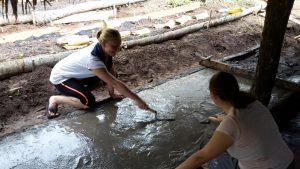
Und dann geht die Sauerrei erst richtig los! Alles wird ausgeleert und glattgestrichen solange bis es annähernd eben aussieht.

20161028-4

Filipinostyle Camping

Von Paulina und Laura

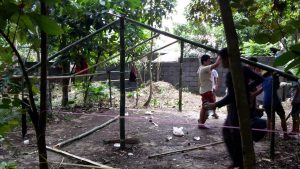
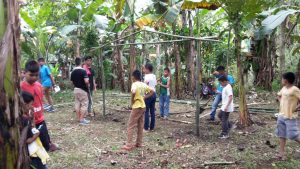
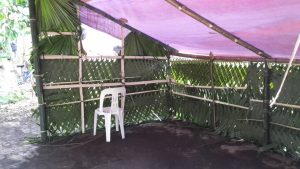
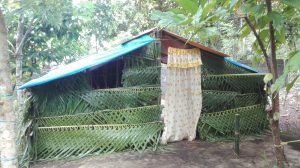
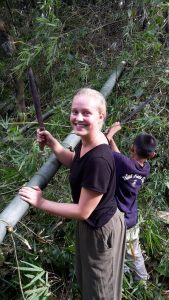
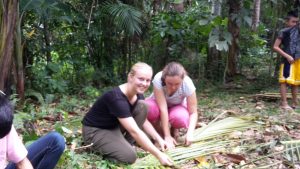
Diese Woche war campen in der Schule angesagt. Für die Kinder der größte Spaß und ein richtiges Abendteuer! Anders als die faulen Deutschen, die einfach ein gekauftes Zelt aufbauen, ihre Isomatte und ihren Schlafsack auspacken und den Campingkocher benutzen, wird hier alles selbst gemacht.

20161025-1 20161025-2 20161025-3 20161025-4 20161025-5

Mit Struktur und Planung haben die boy scouts die tollsten Konstruktionen hervorgebracht. Die Jungs waren Feuer und Flamme, haben Bambus gehackt, Möbel gebaut und Dächer aus Kokosnuss Blättern geflochten.

Zusehen und lernen war also angesagt und die ganze Sache hat wirklich Spaß gemacht!

20161025-6 20161025-7

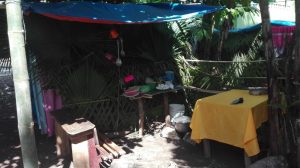
Während die jungen Männer voll den Durchblick hatten, gab es bei den girl scouts umso größere Schwierigkeiten. Die Planung war eher fragwürdig und es ging mehr darum das Zelt schön zu dekorieren, was auch um einiges wichtiger ist als ein stabiles Dach gegen den Regen zu bauen.

20161025-8 20161025-9 20161025-10 20161025-11

Sportliche Aktivitäten

Von Paulina und Laura

Sport ist ja bekanntlich Mord. Aber Sport bei 30 Grad und circa 80 Prozent Luftfeuchtigkeit ist nahezu unmöglich. Um uns trotzdem irgendwie sportlich zu betätigen (und natürlich für das schlechte Gewissen), sind wir morgens um fünf aus dem Bett um joggen zu gehen!

20161024-1

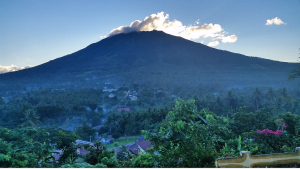
Nach einem einstündigen Jogg/Gehvorgang haben wir dann den sogenannten Eco Park (auch bekannt als Hügel) erreicht und hatten eine unbeschreibliche Aussicht auf ganz Iriga und den Mount Asok.

20161024-2 20161024-3 20161024-4

Impressionen aus Manila

Die Küche in der Bagong Silangan Elementary School, in der wir in der ersten Woche mitgearbeitet haben
Zusammen mit Lehrern und freiwilligen Eltern in Bagong Silangan

20161023-3

Einige der 600 Kinder, die jeden Tag durch das Feeding Program eine warme Mahlzeit bekommen
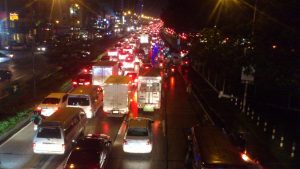
Verkehr auf der Katipunan Avenue bei Nacht
Diesmal mit freiwilligen Eltern der Cainta Elementary School
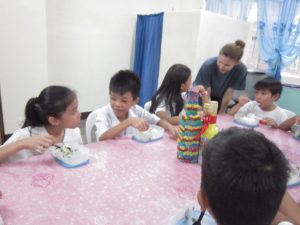
Während des Essens in der Felix Elementary School
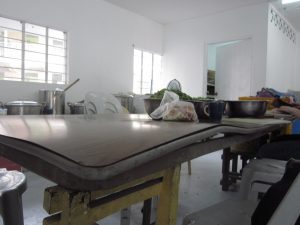
Ein Tisch in der Küche in Cainta , der durch die Fluten gebogen wurde
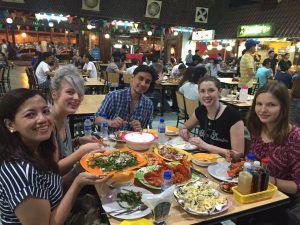
Ein kulinarischer Ausflug auf einen Fischmarkt in Cubao mit Gladys, Irene und James, auf dem wir die Zutaten frisch gekauft und dann in einem Restaurant zubereiten lassen haben
Philippinische Snacks in der Riverbanks Mall. Unter anderem Kwek Kwek, Lobsterballs, Sharksfin, Squidballs und ein One-day-old

Neues Problem: Wäsche waschen

Von Paulina und Laura

Klamotten für 8 Monate mitnehmen erweist sich als ernsthaftes Problem, die Lösung dafür ist auch bekannt als „Waschen“. Leicht gesagt! Aber was ist, wenn man keine Waschmaschine hat und außerdem kein heißes Wasser?

Dann heißt es ganz einfach schrubben, schrubben, schrubben. Es handelt sich dabei nur um Stunden – also alles halb so wild.

20161018-16-oktober